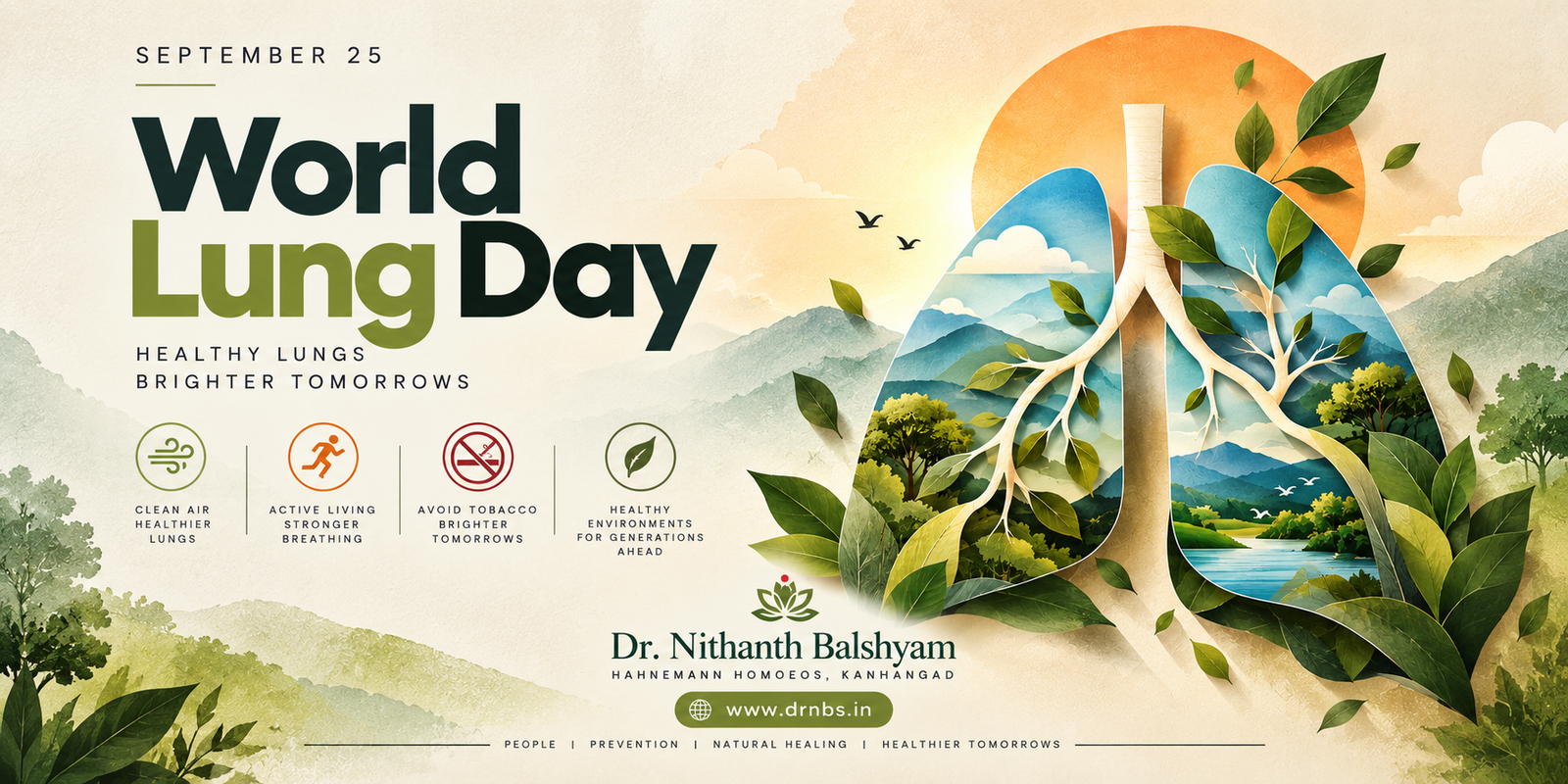
Respiration is the only vital biological function of the human body that operates both completely automatically under brainstem control and with full conscious, volitional mastery. Yet, due to modern sedentary habits, desk-bound postures, chronic stress, and recurring respiratory allergies, a vast majority of adults across Kanhangad, Kasaragod, Nileshwar, and Kerala utilize only a fraction of their total physiological lung capacity, relying on shallow, inefficient apical chest breathing.
Whether you are recovering from a severe monsoon chest infection, managing long-standing allergic asthma or COPD, or seeking to cultivate robust physical stamina and mental calm, practicing targeted, evidence-based pulmonary exercises alongside time-tested yogic pranayama can profoundly transform alveolar ventilation, enhance systemic oxygen saturation, strengthen respiratory muscles, and calm the autonomic nervous system.
Diaphragmatic (Belly) Breathing vs. Shallow Apical Breathing
The dome-shaped diaphragm is the body's primary and most metabolically efficient muscle of respiration. In shallow chest breathing, the upper neck and clavicular accessory muscles are overused, causing neck tension, rapid fatigue, and poor ventilation of the lower, richly vascularized lung bases. Diaphragmatic breathing trains the diaphragm to descend fully, creating negative intrathoracic pressure that pulls air deep into the basal alveoli.
Step-by-step practice: Lie flat on your back with knees comfortably bent (or sit upright in a sturdy chair with feet flat). Place one palm on your upper chest and the other on your upper abdomen just below the ribcage. Inhale slowly and quietly through your nose, focusing on allowing your abdomen to rise and gently push your lower hand upward while your chest remains virtually motionless. Exhale slowly through slightly parted lips as your abdomen settles naturally inward. Practice for 5 to 10 minutes twice daily.
Pursed-Lip Breathing: Natural Airway Stenting for COPD & Asthma
Pursed-lip breathing is one of the most clinically valuable techniques taught in pulmonary rehabilitation programs worldwide. For patients in Kasaragod suffering from asthma, chronic bronchitis, or emphysema, diseased or inflamed bronchial tubes often collapse prematurely during exhalation, trapping stale carbon dioxide in the air sacs and causing acute air hunger.
By puckering your lips as if preparing to gently blow out a candle during exhalation, you generate a positive back-pressure (positive end-expiratory pressure, or PEEP) throughout the bronchial tree. This mechanical backpressure keeps the airways splinted open longer, allowing trapped air to escape completely, slowing the respiratory rate, and instantly relieving the sensation of panic during exertional breathlessness.
Therapeutic Pranayama: Anulom Vilom and Bhramari for Nitric Oxide Enhancement
Anulom Vilom (Alternate Nostril Breathing) restores equilibrium between the sympathetic ('fight or flight') and parasympathetic ('rest and digest') branches of the autonomic nervous system. Practicing slow, unforced alternate nostril cycles in a clean, dust-free space reduces bronchial smooth muscle hyperreactivity and stabilizes airway tone.
Bhramari (Humming Bee Breath) involves producing a low, continuous humming acoustic resonance during smooth nasal exhalation. Medical research has proven that this acoustic vibration in the paranasal sinuses accelerates the release of endogenous nitric oxide (NO) by up to fifteen-fold. Inhaled nitric oxide acts as a natural, powerful local vasodilator and bronchodilator while exerting natural antiviral and antibacterial properties on the airway mucosa.
Integrating Respiratory Training with Constitutional Homeopathy in Kanhangad
Breathing exercises achieve their highest therapeutic efficacy when combined with a clean living environment, optimal hydration, balanced local nutrition, and individualized constitutional care.
At Hahnemann Homoeos, near Kottachery Bus Stand in Kanhangad, Dr. Nithanth Balshyam evaluates patients with chronic respiratory complaints, recurrent wheezing, and post-infectious debility. By pairing personalized constitutional homeopathic remedies with customized daily breathing routines, patients across Kasaragod district achieve sustained respiratory stamina, improved vital capacity, and lasting freedom from chronic breathing distress.
Frequently asked questions
Can breathing exercises increase my actual anatomical lung size?
While actual anatomical lung dimensions are genetically fixed in adulthood, targeted breathing exercises dramatically expand accessible lung capacity, strengthen intercostal muscles, and re-inflate collapsed or under-ventilated alveoli.
Should I practice vigorous pranayama during an acute asthma attack?
No. During an acute asthma attack or acute wheezing paroxysm, avoid rapid or forceful pranayama. Instead, sit forward in a supported tripod posture and practice gentle, calm pursed-lip breathing while using necessary emergency medical care.
How does nasal nitric oxide from Bhramari and Anulom Vilom benefit lung health?
Nitric oxide produced in the paranasal sinuses naturally dilates bronchial airways and pulmonary blood vessels, optimizes oxygen uptake in the lung bases, and possesses natural antimicrobial properties against airborne pathogens.
What is the best time of day to practice respiratory exercises in Kerala?
Early morning before breakfast in a clean, well-ventilated room or terrace free from dust, mosquito coils, and cooking smoke provides optimal physiological benefit.
Explore Next
Related local pages and symptom guides
Need a consultation?
Call or WhatsApp the clinic if you need an appointment or want to ask about visit timings.